
What is Companion Planting?
Companion planting refers to the practice of strategically putting plants together that mutually benefit each other.
Benefits can include:
supporting each other’s growth
deterring pests
improving soil health
enhancing biodiversity
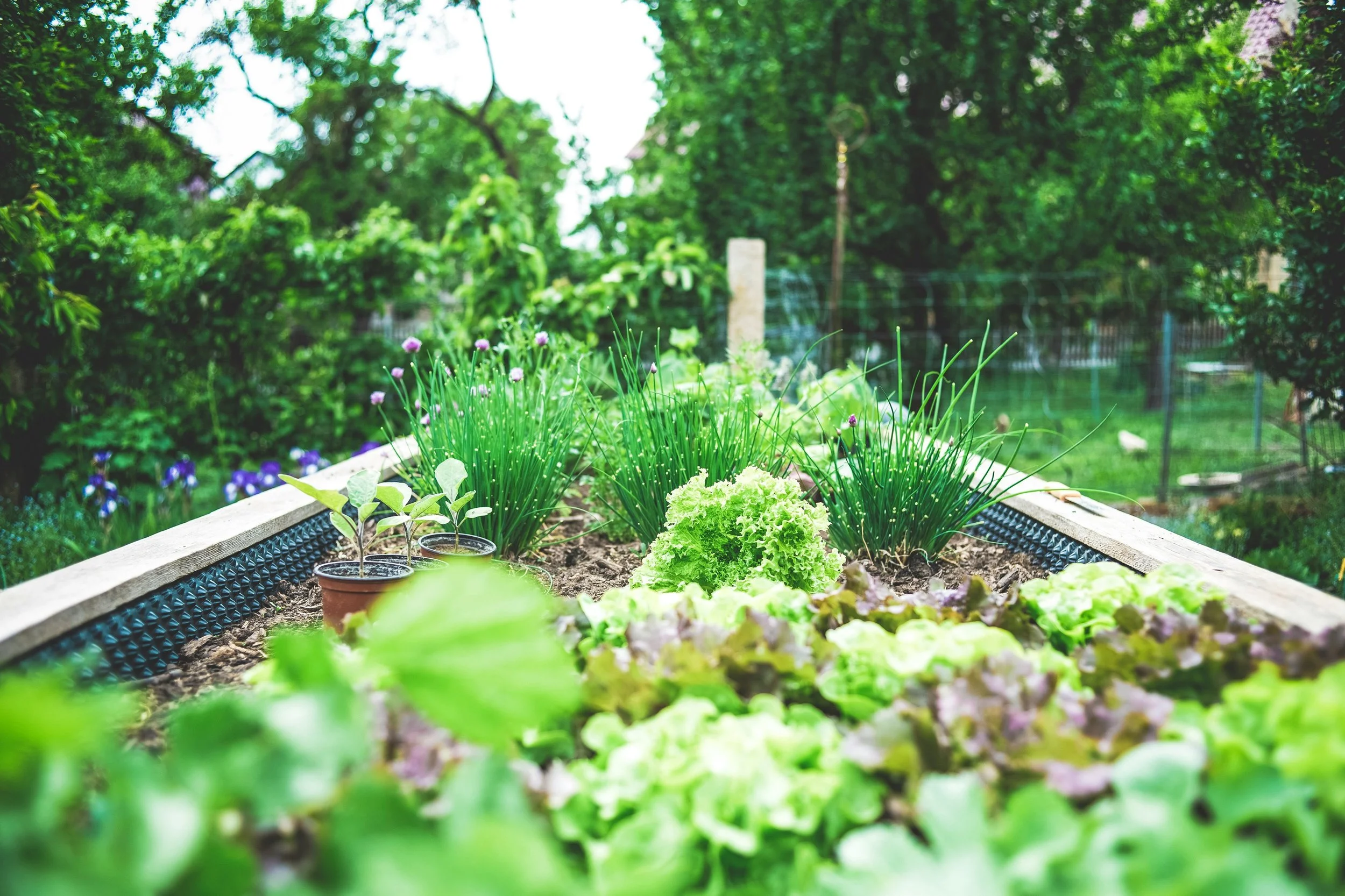
Planting chives alongside lettuce is beneficial as they help repel pests, enhance growth, and improve flavor.
This can be an especially helpful practice if you’re attempting to grow a vegetable garden in Florida’s harsh climate. Our intense sun, wet and humid summers, and sandy soil can make growing food crops a challenge.
Examples of Great Companions:
Tomatoes and basil: basil repels tomato hornworms and give tomatoes a better flavor.
Corn, beans and squash: the beans add nutrients to the soil, squash keeps the weeds away by shading the ground, and corn gives the beans something to climb.
Onions and carrots: carrots loosen the soil for onions, and onions repel carrot flies.
Marigolds and vegetables: the flowers keep away nematodes (damaging worms) and other pests.
Nasturtium and beans: aphids don’t like these flowers and will avoid the area.
Examples of Bad Companions:
Garlic and onions with beans or peas.
Mint or onion with asparagus.
Cucumbers, squashes, radishes or tomatoes with potatoes.
Cabbages with strawberries.
Kale and cauliflower.
For more helpful tips to make your life easier, download our Companion Planting Printable.
Stay Dirty,
Ashley